
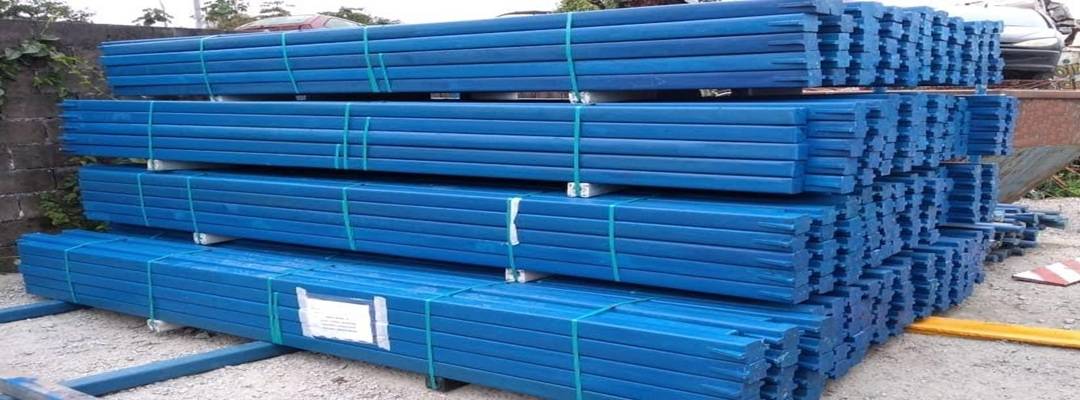
When a vehicle leaves the road, the rigid posts supporting traffic signs often cause severe injuries. Passive safety poles offer a smarter solution.
These innovative structures collapse or yield upon impact, absorbing energy and reducing crash forces. Unlike traditional steel or wood, they transform dangerous collisions into survivable events.
This article explores why passive safety poles represent the future of roadside safety and how they outperform conventional alternatives in both protection and sustainability.
The hidden dangers of conventional roadside structures
For decades, road signs have relied on rigid steel and timber supports. These materials provide durability but create deadly hazards during collisions. When a vehicle strikes a rigid post, the structure remains standing while the vehicle absorbs all the impact energy. This sudden deceleration causes severe injuries and fatalities that could otherwise be prevented.
Roadside objects contribute significantly to traffic accident severity worldwide. Engineers now prioritize “forgiving infrastructure” to minimize human error consequences. Replacing unyielding supports with smarter alternatives reduces the physical toll of run-off-road crashes.
Passive safety poles specifically address this critical need by offering controlled failure mechanisms that protect both vehicle occupants and the infrastructure itself.
The transition to safer roadside equipment represents a fundamental shift in transportation safety philosophy. Instead of expecting perfect driver behavior, modern road design acknowledges human fallibility and creates environments that mitigate error consequences.
Passive safety poles embody this progressive approach through their intelligent engineering and life-saving performance.
The science and benefits of passive safety poles
Passive safety poles yield, fracture, or collapse in a controlled manner when vehicles strike them. Instead of acting as solid walls, they absorb and dissipate energy through designed failure points. This allows vehicles to decelerate safely or pass through with minimal resistance, dramatically reducing injury risks.
These advanced systems offer multiple advantages that make them superior to traditional options:
- Energy Absorption: They reduce G-forces on passengers during impacts by up to 70% compared to rigid structures
- Predictable Behavior: Engineered breakaway points ensure they fail without creating secondary hazards like flying debris
- Versatility: They support various passive safety sign posts without threatening motorists, accommodating different sign sizes and weights
- Cost-Effectiveness: While initial costs may be higher, they lower emergency response costs, medical expenses, and legal liabilities over time
- Maintenance Efficiency: Their design allows for quicker replacement and less disruptive repairs following incidents
Integrating these collapsible systems transforms dangerous highways into safety corridors. The technology ensures momentary lapses in concentration don’t result in life-altering events.
Passive safety poles specifically deliver this protection through rigorous testing and certification processes that validate their performance under real-world conditions.
Real-World applications and performance standards
Modern passive safety poles undergo extensive testing to ensure reliability. Certification processes typically include crash tests at various speeds and angles, environmental durability assessments, and long-term performance evaluations.
These standards guarantee that when installed, the poles will perform as designed during actual collision scenarios.
The implementation of these systems shows measurable safety improvements. Roads equipped with passive safety poles demonstrate reduced severe injury rates and lower fatality statistics in run-off-road accidents.
Municipalities and transportation departments worldwide are increasingly adopting these solutions as part of comprehensive road safety strategies.
Proper installation is crucial for optimal performance. Passive safety poles require specific foundation designs and placement considerations to ensure they function correctly during impacts.
Professional installation teams follow detailed guidelines to maximize the life-saving potential of these innovative structures.
Sustainability meets roadside innovation
Modern infrastructure must balance safety with environmental responsibility. The latest passive safety poles use 100% recycled plastic materials, addressing both safety needs and plastic waste reduction simultaneously.
This circular economy approach transforms potential environmental pollutants into life-saving safety devices.
Recycled plastic posts outperform traditional materials in several measurable ways:
- Durability: They resist extreme weather conditions, UV radiation degradation, and high temperatures without corrosion
- Longevity: They maintain structural integrity for at least 20 years, often exceeding the lifespan of steel alternatives
- Eco-Friendly Manufacturing: Production processes utilize reused water systems and generate significantly lower CO2 emissions than metal fabrication
- Certified Quality: They carry international recognition including the CE mark, ABNT Green Seal, and Low CO2 Emission Seal
- Resource Efficiency: Manufacturing consumes 15 tons of recycled plastic daily, diverting substantial waste from landfills
Choosing recycled plastic demonstrates commitment to both human safety and environmental stewardship.
Passive safety poles made from sustainable materials represent the ideal intersection of these priorities, offering communities comprehensive solutions that protect people while preserving natural resources for future generations.
About the solution
Ecoposte pioneers the sustainable passive safety poles technology described throughout this article. As the established benchmark in sustainable passive safety, Ecoposte produces 100% recycled plastic poles with full international certifications.
Our products undergo over 14 official crash tests and additional 50 pre-tests, earning recognition from more than 60 international entities across multiple continents. We design solutions that save lives while actively preserving our planet through responsible manufacturing practices and material innovation.
Ready to upgrade your road infrastructure with superior safety and sustainability?
Contact Ecoposte today to learn about our comprehensive range of passive safety poles or request a customized project quote tailored to your specific roadway safety requirements.